Goldendoodle Embroidery Design Review
First Impressions: Warm, Lively, and Instantly Recognizable
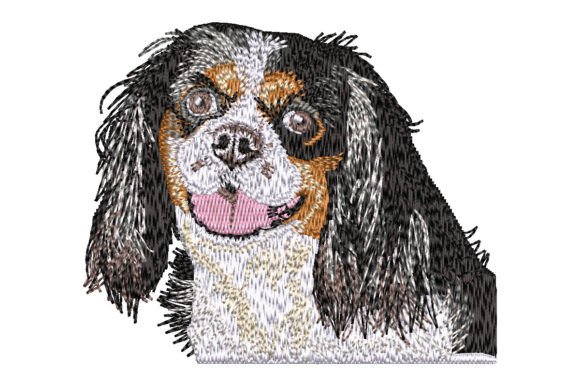
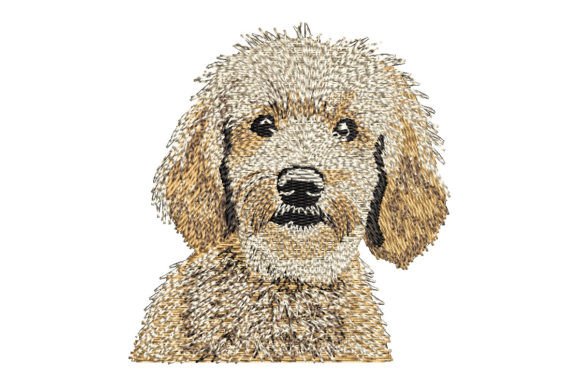
As an embroidery designer who’s tested hundreds of dog-themed machine embroidery designs for personalized gift shops and Etsy sellers, Goldendoodle stood out the moment I loaded the file. It doesn’t just look like a dog—it feels like a companion. The expression is gentle but alert, the pose relaxed yet full of personality. There’s no stiff symmetry or cartoonish exaggeration—just soft, flowing lines that suggest movement and warmth. The golden fur isn’t rendered with heavy fill stitches; instead, it uses layered satin and seed-like stitch textures that catch light beautifully. That realism gives Goldendoodle immediate emotional appeal—ideal for baby embroidery, wedding gifts, or family keepsakes where sentiment matters more than flash.
Why This Design Fits So Many Personalized Gift Categories
Goldendoodle works across a surprising range of products—not because it’s generic, but because its charm is universal. On a blanket embroidery for a newborn, it reads as tender and timeless. Stitched onto a linen pillow cover for a newlywed couple’s guest room? It adds quiet elegance without being fussy. As a focal point on a cotton embroidered towel, it balances practicality and artistry—especially when paired with subtle monogramming. I’ve also used it successfully on canvas tote bags for boutique gift shops and on organic cotton aprons for bakeries and pet-friendly cafes.
For Etsy sellers and small shop owners, Goldendoodle supports strong product storytelling. A nursery decor listing featuring this design can highlight “hand-stitched charm,” “custom heirloom quality,” or “a loving tribute to your furry family member.” It also photographs exceptionally well—soft lighting reveals the dimensionality of the fur, and even flat-lay shots on neutral backgrounds communicate care and intentionality.
Where to Use Goldendoodle—and Where to Proceed With Care
Like any high-detail machine embroidery design, Goldendoodle shines brightest when matched thoughtfully to fabric and application. It performs beautifully on medium-weight woven fabrics like quilting cotton, linen blends, and stable twills—ideal for pillow covers, tote bags, and blanket embroidery. On tightly woven tea towels or kitchen linens, it holds crispness without puckering, especially when paired with tear-away stabilizer.
But caution is warranted in a few cases. Avoid using Goldendoodle on highly textured fabric (like thick terry cloth or bouclé) unless you’re willing to test extensively—the fine fur details may blur or disappear. Similarly, steer clear of stretchy baby clothes (think onesies or knit swaddles) unless you reinforce heavily with cut-away stabilizer and reduce stitch density manually. Curved surfaces—like mugs or rounded cosmetic bags—require repositioning or digitizing adjustments not included in the base file.
Dark fabric brings out richness in the gold tones, but always run a printable mockup first to assess contrast. Light thread on dark fabric can fade visually unless you choose high-sheen polyester or metallic-look threads. And while Goldendoodle looks stunning on white or cream, avoid pairing it with overly busy prints underneath—it needs breathing room to land emotionally.
Practical Notes Every Embroiderer Should Check Before Stitching
- Test on scrap fabric first—especially if stitching on new material or blending thread colors.
- Confirm hoop size compatibility before digitizing adjustments or multi-position layouts.
- Review stitch density: intricate fur areas may benefit from slight underlay reduction on dense fabrics to prevent stiffness.
- Match stabilizer to end use: tear-away for towels and totes, cut-away for garments and items needing frequent washing.
- Compare light and dark fabric mockups side-by-side to guide customer-facing product photography and color recommendations.
- Check small details after stitching: eyelashes, ear texture, and muzzle definition should remain legible—not lost in thread pile.
- Verify commercial licensing before offering finished products on Etsy or in your small shop. This digital embroidery file must be cleared for resale of handmade products.
How Goldendoodle Elevates Perceived Value—and Why Customers Notice
In my experience consulting with gift shop owners and wedding gift designers, Goldendoodle consistently lifts perceived value—not through complexity alone, but through authenticity. Customers don’t just see “a dog.” They see *their* Goldendoodle: the one who slept at the foot of the bed during baby’s first weeks, the one who walked beside them down the aisle, the one whose photo sits on their desk. That emotional resonance translates directly into trust. When buyers recognize craftsmanship in the fur texture and expression, they’re more likely to pay a premium, leave thoughtful reviews, and return for other personalized gifts.
For digital product sellers, offering Goldendoodle as part of a curated “Dogs” collection makes sense—but only if presented with context. Pair it with styling tips (“Try it on oatmeal linen for rustic nursery decor”) or usage notes (“Works best at 4–5 inches tall on pillow covers”). For craft fair vendors, pre-stitched samples on varied substrates—towel, blanket, apron—showcase versatility far better than a screen-based preview.
A Final Thought for Small Business Owners
Goldendoodle isn’t just another embroidery file. It’s a bridge between technical execution and heartfelt gifting. Whether you're an Etsy seller building a niche around pet-themed handmade products, a baby product creator adding warmth to organic cotton blankets, or a wedding gift designer seeking timeless charm, this machine embroidery design delivers both aesthetic polish and narrative weight. It invites personalization without demanding it—leaving space for names, dates, or quiet simplicity.
Just remember: every great personalized gift starts with intention—and ends with something that feels made, not manufactured. Goldendoodle helps you get there.