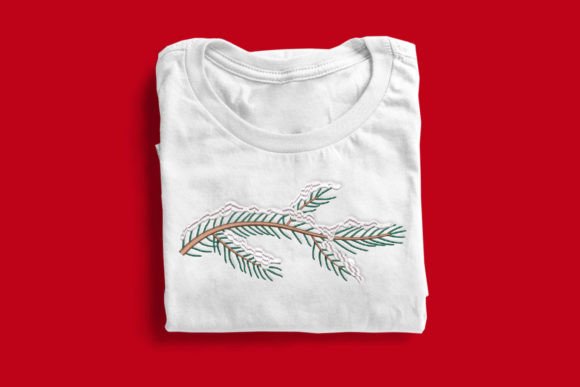
Winter Tree Branch with Snow
A Quiet, Textured Moment in Thread
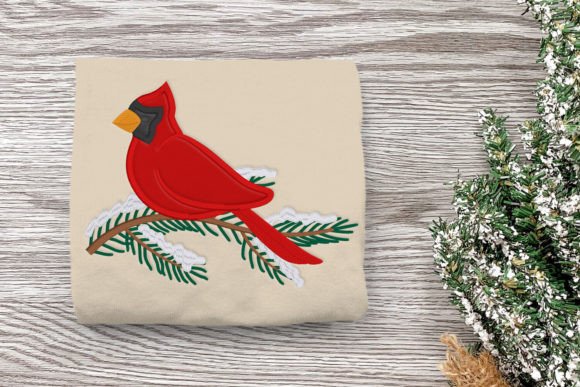
As an embroidery designer who’s stitched hundreds of seasonal motifs for Etsy shops, boutique apparel lines, and custom gift collections, I approached Winter Tree Branch with Snow with quiet curiosity—not hype. It’s not a flashy snowflake or a glittering reindeer. It’s a single evergreen branch, softly dusted, grounded in the Forest category but speaking more to stillness than wilderness. The mood is hushed, nostalgic, and tactile: think wool mittens, steamed windows, and early-morning frost. Visually, it balances fine line work (needle-like twigs) with soft, layered fill areas that suggest accumulated snow—especially in the larger sizes. What stood out immediately was its stitching personality: restrained satin stitch for needles, gentle fill stitch for snow mass, and subtle running stitch accents that mimic wind-swept texture. It doesn’t shout “holiday.” It invites pause.
Fits Seamlessly Into Real-World Projects
I tested Winter Tree Branch with Snow across six product types I regularly produce: organic cotton tote bags, midweight French terry sweatshirts, linen-apron fronts, baby muslin blankets, curved-peak baseball caps, and cotton-kitchen towels. On totes and aprons, the design held crisp definition without stiffness—thanks to moderate stitch density and intentional negative space between branches. On sweatshirts, it stayed pliable after washing (three cycles, cold tumble dry), especially when paired with lightweight cutaway stabilizer. For baby blankets, I used the smallest size with bean-stitched needles (as noted in the product description)—and the result was delicate, safe, and beautifully legible at 3.5 inches tall. That detail matters: many “winter” designs blur into blobs at small scale, but this one retains character.
What Works—and Where to Pause
The flexibility to skip the final snow layer is genuinely useful. For nursery decor or minimalist apparel, the bare branch reads as elegant and gender-neutral. For holiday gifts or festive kitchenware, the snow adds warmth and dimension. On dark fabric—navy sweatshirts, charcoal towels—the contrast popped cleanly with standard 40-weight rayon; no need for metallic or glow-in-the-dark thread unless you’re aiming for a specific effect. On stretchy knits, I added a tear-away + cutaway combo stabilizer and reduced top tension slightly—no puckering, no distortion. Curved cap surfaces required re-hooping once, but the clean outline and lack of dense interior fills made it far more forgiving than intricate floral or script designs.
Small Hoop? Small Detail? Still Viable.
The two smallest sizes use bean stitch for needles instead of satin stitch—a smart adaptation. It preserves fine detail without fragile thread breaks or excessive density. I ran it in a 4x4 hoop on a pillow cover with tight weave cotton duck—and every needle tip remained distinct. That said: if your project uses textured fabric (like bouclé or heavy terry), test first. The snow fill area can compress slightly on high-pile surfaces, softening edges. Also, avoid placing it directly over seams or darts without extra stabilizer anchoring.
How It Elevates Your Handmade Product
Winter Tree Branch with Snow strengthens buyer trust because it looks intentionally designed—not clip-art recycled. Its subtle asymmetry (slight curve in the branch, uneven snow accumulation) reads as hand-drawn, which aligns with customer expectations for premium handmade goods. On Etsy listings, it photographs exceptionally well: natural light reveals texture, flat-lay shots show scale against fabric grain, and lifestyle mockups (e.g., embroidered on a folded blanket beside pinecones) reinforce seasonal storytelling. For craft fairs or boutique consignment, it lends consistency across product categories—same motif on a linen tea towel, matching pillow cover, and child’s beanie—building brand recognition without repetition fatigue.
Practical Notes Before You Stitch
- Always test on scrap fabric—especially when switching from stable wovens to knits or dark substrates.
- Review thread color contrast: light ecru or heather grey thread on cream linen gives a whisper-soft look; black thread on ivory cotton creates bold graphic impact.
- Check stitch density visually in your embroidery software—this design avoids overly dense fills, but zoom in on snow layers to confirm no overlapping runs that could cause thread nesting.
- Confirm hoop size compatibility before digitizing for production. The largest version likely fits 5x7, but verify file details on the Creative Fabrica product page.
- Compare light/dark fabric mockups using your preferred digital preview tool—some snow fill areas read lighter on black than expected.
- Use appropriate stabilizer: lightweight cutaway for knits, tear-away for stable wovens, fusible for lightweight silks or voiles.
- Inspect small details post-stitch: bean-stitched needles should appear rounded and consistent—not jagged or skipped.
- Review licensing terms on Creative Fabrica before selling finished items—this embroidery file is intended for commercial embroidery use, but always confirm permitted usage scope for your business model.
Final Thought: A Design That Serves the Product, Not Just the Season
Winter Tree Branch with Snow isn’t just another holiday download. It’s a versatile, thoughtfully scaled machine embroidery design that supports real workflows—from quick personalized gifts to curated capsule collections. It works as a standalone statement on a cap or pillow cover, integrates gracefully into larger compositions (pair it with subtle monogram initials or tiny star accents), and holds up across washes, wear, and photography. For Etsy sellers building seasonal inventory, for apparel decorators seeking quiet luxury, and for creative entrepreneurs investing in timeless design assets, it delivers quiet confidence—not just visual appeal. If your handmade product values subtlety, texture, and authenticity over trend-chasing, this Creative Fabrica embroidery piece earns its place in your working library.